Award-Winning Remodeling Contractor: Transform Your Home With Expert Design and Superior Craftsmanship
Home renovation can significantly improve both aesthetics and functionality. A top-rated renovation specialist plays an important role in this makeover. Their expertise combines innovative design with quality craftsmanship, ensuring that each project meets the property owner's goals. However, not all contractors are the same. Learning about the important characteristics and processes involved is essential for a positive result. What should property owners think about when beginning this process?
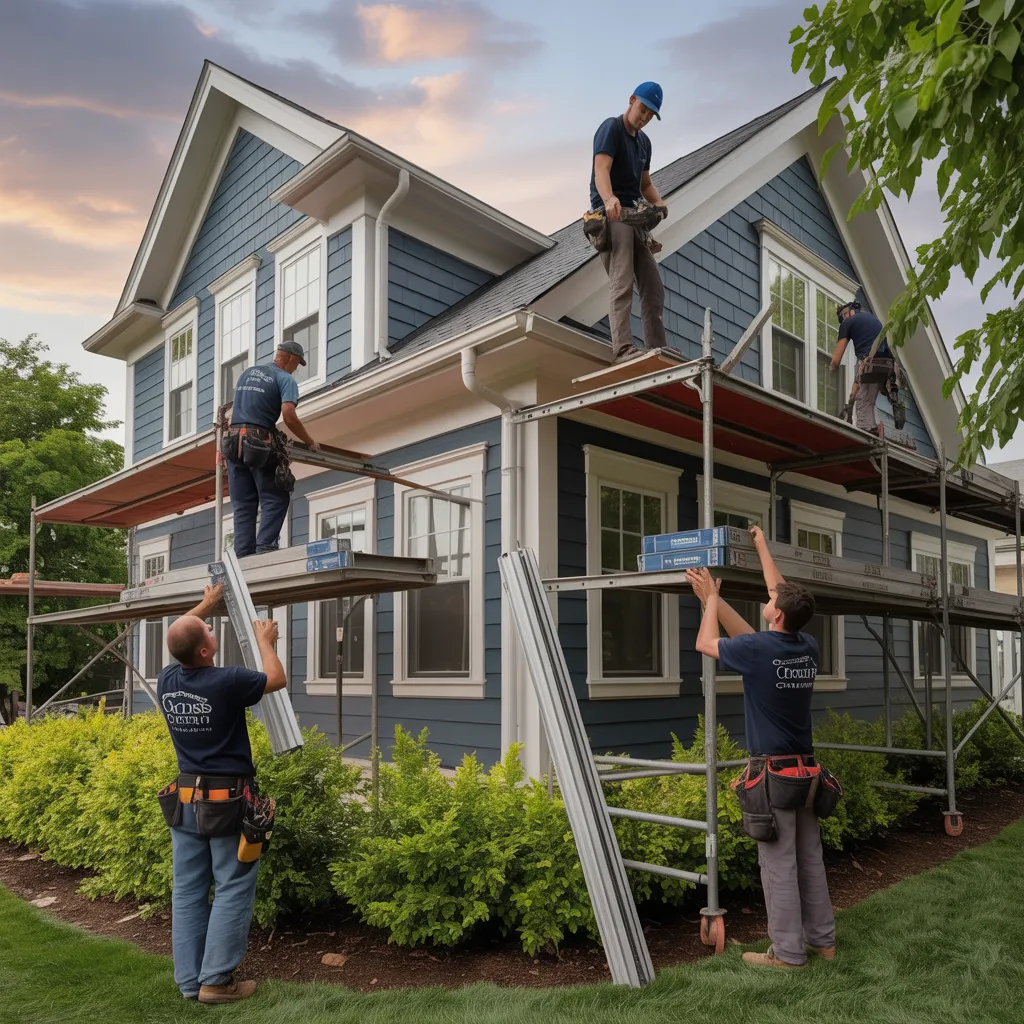
The Importance of Hiring a Top-Rated Remodeling Contractor
When beginning a restoration assignment, the decision to hire a premier contractor can greatly determine the outcome. A talented contractor possesses the competency and experience necessary to work through the intricacies of residential updates. They can provide beneficial insights into design preferences, materials, and project durations, ensuring that the initiative aligns with the homeowner's expectations and cost parameters.
Well-reviewed service providers typically feature glowing testimonials and an outstanding body of work, presenting their previous work and customer happiness. This reputation can foster assurance in homeowners, easing concerns connected to extensive home updates. Moreover, a reputable contractor tends to have established relationships with material providers and specialized contractors, which can afford more competitive rates and excellent material choices.
Ultimately, hiring a top-rated remodeling contractor not only enhances the potential for a effective project but also fosters a teamwork atmosphere where creativity and inspiration blossom, resulting in a renovated home that reflects the homeowner's aspirations.
Must-Have Strengths to Examine in a Home Improvement Contractor
Locating the ideal remodeling contractor goes past merely checking testimonials and past work; it involves identifying particular characteristics that ensure a successful partnership. Initially, a reputable contractor should possess strong communication skills, ensuring that they can clearly articulate ideas and listen to client needs. Next, expertise in the specific type of remodeling project required is essential, as it indicates a proven track record of quality work. Moreover, a skilled professional must be licensed and insured, providing peace of mind concerning liability and safety. Dependability is another critical quality; a contractor must adhere to schedules and costs, reducing unforeseen setbacks. Ultimately, a strong collection showcasing varied finished work reflects an capacity to accommodate different aesthetics and client preferences. By focusing on these qualities, homeowners can make informed decisions when selecting a remodeling contractor, eventually resulting in a successful home transformation.
Best Remodeling Initiatives Worth Thinking About
Homeowners typically navigate countless alternatives when exploring remodeling projects, each delivering unique benefits and enhancements. Among the most favored projects are kitchen renovations, which can substantially improve operational efficiency and visual aesthetics. Improving countertops, cabinets, and appliances not only updates the space but also enhances the value of the home.
Bathroom remodels are another popular option, creating a retreat for relaxation and personal care. Homeowners often select modern fixtures, sophisticated tilework, and improved designs to boost comfort.
Additionally, basement finishing has gained traction as a way to expand living space, creating versatile areas for recreational use or workspace.
Outdoor renovations, such as deck installations or landscape design, also stay in demand, allowing residents to optimize their outdoor experience. Each of these projects not only transforms the living environment but can also deliver a substantial return on investment.
The Design Framework: Collaborating With Your Construction Specialist
The design process in renovation involves a essential partnership between the homeowner and the contractor. During the initial consultation meeting, ideas and visions are shared, setting the basis for the undertaking. After that, design revisions take place, permitting adjustments and eventually resulting in approval before work starts.
Opening Assessment Meeting
How does an opening consultation session create the framework for a successful remodel? This pivotal first step permits homeowners and contractors to develop a common understanding of the objectives and vision for the project. During this consultation, clients convey their budget, ideas, and requirements, while contractors assess the space and provide insights on feasibility. Effective communication is vital, as it fosters trust and collaboration between both entities. Contractors may also present samples of previous work, extending inspiration and showcasing their proficiency. By tackling any worries and talking about timelines, the opening meeting sets up the framework for a productive relationship. At the end of the day, this meeting is essential for aligning objectives and ensuring that the renovation work commences on a strong base.
Design Development and Authorization
As the planning process unfolds, collaboration between homeowners and contractors becomes essential for refining the project vision. This phase focuses on transparent dialogue, allowing both parties to share ideas, preferences, and concerns. Contractors present initial design concepts based on the homeowner's input, which results in iterative revisions. Each design iteration serves as a stepping stone toward the final layout, incorporating feedback and making necessary adjustments. Homeowners should feel encouraged to express their thoughts, ensuring the design matches their aspirations. Approval of the final design marks a key milestone, solidifying the project blueprint. This teamwork fosters a sense of ownership and satisfaction, paving the way for successful implementation and ultimately transforming the home into a personalized living space.
Comprehending the Expenses of Home Renovation
Knowing the expenses tied to home renovation is vital for any property owner planning a project. Financial management effectively requires not only including the primary expenses but also recognizing hidden costs that may appear during the renovation process. Awareness of these monetary factors can help guarantee a smoother and more productive remodeling experience.
Planning Your venture budget
Budgeting for a home renovation project requires thorough evaluation of various costs at stake. Homeowners should start by determining the scope of the project, which will significantly impact the overall budget. Key expenses typically include materials, labor, permits, and design fees. It is important to investigate and obtain quotes from several contractors to establish a practical estimate. Furthermore, homeowners should think about whether they will complete any of the work themselves, which can lower labor costs. Creating a contingency fund is also wise, as it allows for unforeseen expenses that may occur during the remodeling process. By carefully evaluating these factors, homeowners can develop a comprehensive budget that corresponds with their financial capabilities and project goals.
Overlooked Fees You Should Consider
While property owners often concentrate on the major expenses of a remodeling project, they may overlook several hidden costs that can substantially affect the overall budget. These expenses can take the first step encompass permits and inspections, which differ based on location and project type. Unexpected building problems, such as mold or outdated wiring, may also arise during remodeling work, necessitating additional funds. Property owners should also consider the costs of temporary housing if the undertaking demands extensive work. In addition, alterations to plans during the process can lead to increased expenses, as can the choice of premium finishes. Finally, renovation aftermath expenses, such as fresh furniture or landscaping, can additionally strain the budget. Awareness of these concealed costs is crucial for effective financial planning.
Advice for a Successful Home Renovation Experience
A fruitful home renovation undertaking calls for thorough planning and open communication. Homeowners should start by determining a achievable budget and timeline, anticipating potential delays and unexpected costs. Selecting a reputable remodeling contractor is important; they bring proficiency and can offer insights that reduce time and money.
Householders should also formulate a detailed design strategy, featuring materials and finishes, to guarantee a cohesive vision. Frequent meetings with the contractor support alignment on progress and handle any concerns in a timely manner. Communication should stay open and proactive, fostering a collaborative atmosphere.
Additionally, it's prudent to prepare for disruptions by creating a temporary living space, especially for bigger projects. Ultimately, patience is key; renovations can be stressful, but a positive mindset will contribute to a seamless process and contentment with the final outcome. By following these tips, homeowners can enhance their renovation experience and achieve their desired results.
Commonly Asked Questions
What Duration Does a Standard Remodeling Project Usually Take to Finish?
A standard remodeling project can take between a few weeks and several months to complete. Factors influencing the duration include project size, complexity, and the efficiency of the contractor and trades involved.
What Kinds of Guarantees Do Remodeling Contractors Offer?
Remodeling contractors typically give warranties on skilled work, materials, and appliances. These warranties can range from one year to a lifetime, according to the contractor and specific project details, ensuring confidence to homeowners regarding caliber and resilience.
What's the Most Effective Way to Validate a Contractor's License and Insurance?
To confirm a contractor's credentials and coverage, one can review state regulatory agencies and digital records. Additionally, obtaining copies of insurance certificates directly from the contractor ensures coverage is current and satisfies required standards.
What Could I Do if I'm Unhappy With the Work?
When dissatisfaction occurs, the homeowner ought to raise concerns directly with the contractor. Catalog problems, review the agreement, and strive for peaceful settlement. If still pending, pursue mediation or reaching local authorities for extra help.
Can You Find Loan Options for Home Remodeling Projects?
Many remodeling contractors offer various financing options, including personal loans, home equity credit lines, and payment plans. Homeowners must consider these options to find a approach that works with their budget and project needs productively.